Services › Vertigo & Balance Clinic
Vertigo & Balance Clinic
Diagnosis and treatment for BPPV, vestibular neuritis, Meniere’s disease and other balance disorders. Book a visit at our Muvattupuzha clinic.
Offered by our Ear, Nose, Throat (ENT) department, part of the ExcellENT polyclinic with 13 departments under one roof.
The real problem
Why your dizziness keeps coming back
Most people with vertigo simply reach for an anti-vertigo tablet whenever the spinning starts. It settles the symptom for a few hours, but the underlying cause is never identified, so the episodes keep returning, often without warning.
Vertigo is a symptom, not a diagnosis. In most cases it begins in the inner ear: displaced calcium crystals (BPPV), inflammation of the vestibular nerve, or a fluid imbalance in the inner ear (Meniere’s disease). A focused bedside examination, including the Dix-Hallpike and head-impulse tests, can usually pinpoint the cause.
When the cause is BPPV, the most common type of vertigo, a canalith repositioning procedure (the Epley maneuver) can be performed in the same visit for eligible patients.
A focused vestibular evaluation, not just a tablet, is what breaks the cycle of recurring dizziness.
- BedsideDiagnosis at your first visit
- Same dayEpley maneuver, when eligible
- SafeAdults and elderly
- ENT-ledEvaluation
Are these affecting you?
Symptoms that signal a vertigo or balance problem
- Sudden spinning sensation
- Dizziness on turning in bed
- Unsteadiness while walking
- Loss of balance
- Nausea or vomiting with dizziness
- Ringing in the ear (tinnitus)
- Hearing loss with dizziness
- Light-headedness on standing
- Fear of falling
- Recurrent vertigo attacks
- Motion sickness
- Dizziness after a head injury
- Imbalance in elderly patients
- Vertigo with headache
- Ear fullness or pressure
Simple and effective
How vertigo diagnosis and treatment works
History and examination
Detailed history taking and a neuro-otological examination.
Positional testing
Dix-Hallpike and roll tests identify the inner-ear canal involved.
Balance and hearing check
Additional bedside tests, with audiometry referral if needed.
Diagnosis confirmed
The type of vertigo (BPPV, neuritis, Meniere’s or other) is identified.
Same-visit repositioning
Epley maneuver performed in the visit for eligible BPPV cases.
Rehabilitation and follow-up
Home exercises and a follow-up review.
What causes it
Common causes of vertigo
Inner ear causes
- BPPV (Benign Paroxysmal Positional Vertigo)
- Meniere’s disease
- Vestibular neuritis
- Labyrinthitis
Neurological causes
- Vestibular migraine
- MS-related imbalance
- Stroke-related dizziness
Other contributing factors
- Low blood pressure
- Anaemia
- Medication side effects
- Neck-related dizziness
- Anxiety-related dizziness
Seek emergency care immediately if dizziness occurs together with slurred speech, facial drooping, sudden severe headache, double vision, or one-sided weakness. These can signal a stroke and need urgent hospital evaluation, not a routine appointment.
Why choose us
Why patients choose ExcellENT Clinic
- Dedicated vertigo and balance evaluation
- Bedside diagnosis at your first visit
- Care for adults and elderly patients with balance concerns
- Vestibular rehabilitation therapy available after diagnosis
- ENT and neurology coordination under one roof
- A structured treatment plan, not just a repeat prescription
What comes next
After your consultation
Identify your trigger
Understand exactly what is causing your spinning, dizziness or imbalance.
Treatment options
Your doctor recommends medication only where it is genuinely needed.
Vestibular rehabilitation
Find out whether VRT exercises are right for you.
Fall-prevention advice
Practical guidance on moving and standing safely.
Lifestyle guidance
Simple habits that help minimize dizziness and build confidence.
Long-term management
A personalized plan for ongoing balance care and follow-up.
Long-term solution
Vestibular Rehabilitation Therapy (VRT)
Unlike medication that only suppresses symptoms, Vestibular Rehabilitation Therapy retrains your brain to compensate for inner-ear imbalance, through a structured set of head, eye and balance exercises.
Suitable patients are guided through a personalised VRT programme, with exercises that can be practiced at home and reviewed periodically at the clinic.
Your care team
ENT specialists for vertigo and balance care

Dr. Golda Joseph
Consultant ENT
A qualified ENT surgeon experienced in the diagnosis and management of ear, nose and throat conditions, and specialised in balance disorders, for both adults and children.
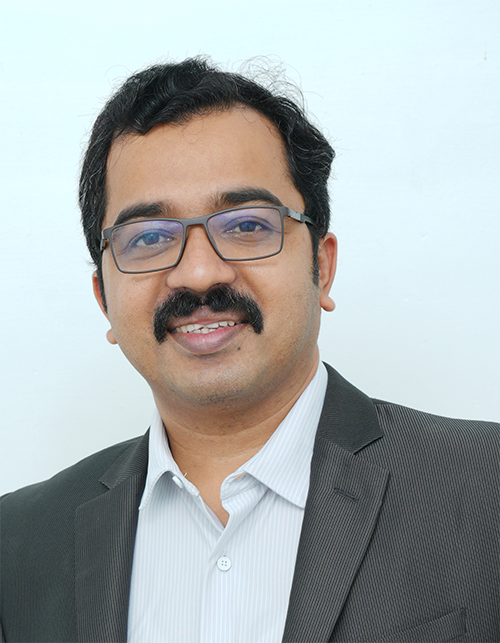
Dr Sanu P Moideen
Consultant ENT, Head and Neck Oncosurgeon
Internationally trained ENT and Head and Neck Oncosurgeon based in Muvattupuzha, who evaluates and manages vertigo, balance disorders and other ENT conditions alongside advanced sinus and airway care.
Stop the spinning. Get an accurate diagnosis.
Get to the cause of your dizziness and a personalised treatment plan at ExcellENT Clinic.
More services
Allergy & Immunotherapy
Allergy skin prick testing and immunotherapy for sneezing, blocked nose, asthma, eczema and food allergies. Book a visit at our…
Thyroid care & Scarless surgery
Thyroid nodules, goitre, hypothyroidism and thyroid cancer care, with total and scarless thyroidectomy by a head and neck oncologist. Book…
Children’s ENT & Pediatric Airway
Child-friendly ENT care for snoring, blocked noses, noisy breathing, adenoid and tonsil problems, with airway endoscopy when indicated. Book a…
Nose, Sinus & Skull base Surgery
Endoscopic care for nasal polyps, deviated septum, sinus surgery (FESS), CSF leak repair, skull base and pituitary surgery. Book a…
Skin, Nail & Hair Care
Dermatology and cosmetology care for acne, rashes, skin allergies, hair and scalp problems, nail and pigmentation concerns. Book a visit.
Snoring & Sleep Apnea Clinic
Snoring and sleep apnea assessment with Level 2 and 3 sleep studies in-house and sleep surgery trained doctors. Book a…
Need expert consultation?
Call or message us and we will help you choose the right department.
- Address
- ExcellENT Clinic, Near Nirmala College, Muvattupuzha, Kerala, India 686661
On the Muvattupuzha–Thodupuzha route (State Highway-8), close to Muvattupuzha town. - Work hours
- Monday to Saturday: 09.00AM - 08.00PM
Sunday: Closed - For booking
- Phone: +91 759 2994299 | 0485 2993299
Email: hello[at] excellentclinic.org